Proposition A would allow San Francisco to borrow up to $300 million by issuing general obligation bonds. The city would use up to $240 million to build, buy or rehabilitate rental housing, including senior housing and workforce housing for low-income households.
Homelessness

Resource Guide: How You Can Access Shelter in San Francisco
Accessing a shelter bed in San Francisco can be difficult. Check out our resource guide that shows pathways to shelter based on age, gender, family status and more.
Health
SF ‘Failing’ on Housing as Overdose Solution, Health Expert Says
Sarah Evans has spent decades advancing drug overdose prevention initiatives around the world. As a division director for Open Society Foundations — a grantmaking network founded and chaired by business magnate George Soros — Evans promotes one surefire way to help abate San Francisco’s homelessness and fatal overdose crisis: housing.
“The way that people get off the street is by getting into housing, where people can get support and stay there even while they are continuing to struggle with substance use disorders of all kinds and mental health issues,” said Evans, who leads the organization’s drug policy programs globally. “It literally is the only way.”
San Francisco isn’t doing enough to meet this housing need, according to health experts.
Homelessness
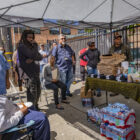
Berkeley Says It Was Aggressive in Homeless Encampment Sweeps, Promises Reforms
Berkeley is accelerating plans to more humanely deal with homelessness in the wake of a San Francisco Public Press report on a chaotic encampment raid in October, and city staffers say they will start collaborating with unhoused people and homeless advocates when planning to clean or clear large encampments.
Several city departments are changing procedures in response to complaints from those living in encampments and their advocates, and from residential and commercial neighbors.
Housing

Emergency Repairs in Public Housing Complex Are Behind Schedule as Owner Advances Redevelopment Plans
One year after emergency repairs were supposed to be completed at Plaza East, 39 units are still waiting on fixes. Meanwhile, in late May, the U.S. Dept. of Housing and Urban Development gave the complex a failing score of 40 out of 100 following physical inspection.
Climate Change

Promising to Prevent Floods at Treasure Island, Builders Downplay Risk of Sea Rise
Sea level rise is forcing cities around San Francisco Bay to weigh demand for new housing against the need to protect communities from flooding. Builders say they can solve this dilemma with cutting-edge civil engineering. But no one knows whether their ambitious efforts will be enough to keep newly built waterfront real estate safe in coming decades.
Meanwhile, developers are busy building — and telling the public that they can mitigate this one effect of climate change, despite mounting evidence that it could be a bigger problem than previously believed.
City Hall

Housing Program to Redress Urban Renewal Could Get Boost From SF Reparations Plan
Urban renewal was a publicly and privately funded effort across the U.S. wherein local governments acquired land in areas deemed “blighted” — often using a racially biased lens — through eminent domain, forcibly displacing residents and demolishing existing buildings with promises to rebuild. In San Francisco, urban renewal targeted Black cultural centers and neighborhoods, uprooting thousands of families and destroying lively, well-established communities.
Now, San Francisco is giving renewed attention to a program that aims to bring displaced residents and their descendants back to the city as the Board of Supervisors prepares to review a draft Reparations Plan to address historic harms against Black San Franciscans at a meeting March 14.
California

Plan for 82,000 Homes in San Francisco Moves Forward, Under Pressure From State
The Board of Supervisors passed a plan to build 82,000 housing units over the next eight years, maintaining city control over the permitting and building processes. Some critics said the plan does not do enough to prevent low-income residents from displacement as more market-rate apartments are built.
Featured in Category

Facing Brutal Storms, Homeless People Encountered Hurdles to Finding Shelter
Despite San Francisco officials’ attempts to get ahead of storms, many unhoused people said they were having a hard time accessing shelter beds and other resources to protect them from the rain.
City Hall
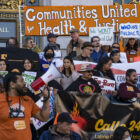
Advocates Say SF Housing Plan Falls Short on Racial Equity
Housing advocates say San Francisco’s eight-year housing plan doesn’t include a comprehensive strategy to build enough affordable housing, to the detriment of the plan’s race and equity goals.
Elections

SF Residents’ Concerns Were All Over Ballot. What Did Voters Say?
San Francisco residents revealed their top local concerns in a recent Public Press poll. They were given the chance to weigh in on some of those matters during this November’s election.